跳过主要内容
年度计费

ArtCraft 年度计划总价约比连续月付 低 50%

省

ArtCraft

Create images and videos from prompts or references. Choose a model, review the credit cost, and bring your next idea to life.

文字转视频
0/50000
Restoring saved inputs…

示例

1 / 45
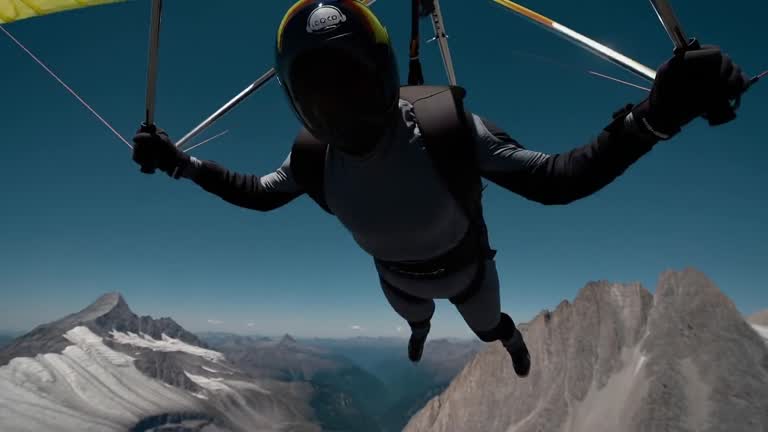
山间滑翔

ArtCraft

Capable tools for artists.

ArtCraft brings visual control to your creative work. Compose images, stage scenes, edit video and shape your next idea.

Open source foundation ↗Web creative studioAI generation and AI editing use credits
01

ArtCraft · Introduction

Visual tools for images, scenes, video and references.

Build the scene before you generate it

ArtCraft gives artists a visual starting point for their work. A prompt can describe a rainy street, but a composition shows where the character stands, which direction the camera faces, and how much of the street belongs in the frame. Arrange those decisions yourself before asking a model to finish the picture. The result begins with your intent.

The ArtCraft studio brings image editing, scene composition, a video timeline and reference boards into one browser workspace. Open a photograph, combine separate layers, or block a shot with objects and a camera. Save the editable project to your account so that the next revision begins with the same choices. Local editing and project saving use no generation credits.

This studio is built on the authorized upstream creative tools, with this service providing its own accounts, private storage and generation integrations. Images and videos use the supported models listed in the studio. Three-dimensional worlds use World Labs Marble, while available audio and object generation use Fal. Check the displayed credit estimate before you submit; manual arranging and project saves do not submit an AI job.

Explore the open-source project
02

ArtCraft · How to use

Prepare references, compose the shot, refine and save.

  1. STEP 1

    Prepare your references

    Sign in to ArtCraft and choose an image, video, scene or moodboard workspace. Import the material you want to work with, or begin from a blank project. Decide on a subject, a visual direction and the kind of output you need.

  2. STEP 2

    Compose the shot

    Arrange layers in ArtCraft for a two-dimensional layout, or place objects and a camera in a three-dimensional scene. Use your references to guide framing, scale and color. Keep individual elements editable while you compare different approaches to the same idea.

  3. STEP 3

    Refine the direction

    Review your ArtCraft composition before committing to a final output. Adjust a pose, move the camera, paint a mask or rearrange a clip. Work through the details that a short prompt cannot communicate, and keep the reference close to the result you intend.

  4. STEP 4

    Save or generate

    Save your ArtCraft project without submitting an AI job and return to it from the library. When you want AI output, select an available model, review the credit quote and submit the job. Completed results stay attached to your account alongside your saved creative work.

03

ArtCraft · Features

Twelve visual workflows from the ArtCraft creative studio.

ArtCraft 2D Image Compositing

Place photographs, cutouts and painted marks on separate ArtCraft layers. Move a subject, resize a backdrop and compare arrangements without flattening the composition too early. A clear layout communicates foreground, background and visual emphasis before you ask for a more polished image.

Open workspace

ArtCraft Background Removal

Prepare reusable subjects for ArtCraft compositions by separating them from their surroundings. A clean cutout can become a foreground element, an image layer or a prop in a larger scene. Review fine edges and keep the original reference available whenever a different treatment would work better.

Open workspace

ArtCraft Canvas Image Editing

Use the ArtCraft canvas to draw, mask and refine selected regions of an image. Visual marks make the intended area of a change clear. Keep local edits separate from paid generation, and inspect the composition before sending a reference to a supported image model.

Open workspace

ArtCraft Text to Image

Explore an ArtCraft idea with a written description and an available image model. Choose the framing and resolution offered by that model, then review the credit estimate. Use the result as a starting image for further composition rather than treating the first generation as the final decision.

Open workspace

ArtCraft Prompted Image Editing

Bring a reference into ArtCraft and describe the change you want to make. Supported editing models can use image inputs to guide a new result. Be specific about the subject, lighting and details to retain, then compare the output with the original visual direction.

Open workspace

ArtCraft Image to Video

Turn a prepared ArtCraft image into the opening direction for a video. Choose a supported model and its available duration, framing and sound controls. A deliberate reference helps establish the shot, while the motion prompt explains what should happen during the clip.

Open workspace

ArtCraft Image to Location

Use ArtCraft with World Labs Marble to turn a reference into an explorable world. Inspect the generated environment, then use it when planning views of a location. World creation is a paid generation step; arranging a saved project remains manual scene composition.

Open workspace

ArtCraft 3D Image Compositing

Build depth into an ArtCraft scene with image planes, objects and a controlled camera. Position a backdrop behind a subject and test how foreground elements frame the shot. The scene remains editable so that another angle can begin with the same composition rather than a new guess.

Open workspace

ArtCraft Image to 3D Mesh

Create a three-dimensional object from a reference using the available ArtCraft object model. Inspect the mesh before incorporating it into a scene. Position, rotate and scale the object to plan a shot with real depth, and keep its generation cost separate from subsequent local editing.

Open workspace

ArtCraft Character Posing

Set a character pose in ArtCraft before deciding how to finish the image. A posed figure communicates body direction, gesture and placement more clearly than a loose description. Combine that pose with camera framing and other scene elements to prepare a deliberate reference.

Open workspace

ArtCraft Scene Blocking with Kitbashing

Combine three-dimensional pieces in ArtCraft to establish a scene quickly. Use simple forms or imported assets to test distances, silhouettes and camera angles. Focus on the relationships between objects first, then refine the visual treatment once the underlying shot is readable.

Open workspace

ArtCraft Character Identity Transfer

Combine an ArtCraft posed reference with a character image to guide an image generation workflow. The scene supplies placement and gesture while the reference supplies appearance. Choose a supported editing model, inspect the generated details and refine your inputs when identity or pose needs another pass.

Open workspace
04

ArtCraft · Creator workflows

From a first sketch to a reference that communicates your direction.

01

Illustration and visual development

Start an ArtCraft project with a sketch, a cutout or a set of references. Arrange the important shapes and establish the color relationships before refining small details. Save the composition at useful stages so feedback can point to a specific visual choice. Generate a variation when you want to explore a different finish.

02

Shots, scenes and storyboards

Use ArtCraft to plan where the camera belongs and how a character relates to the environment. Combine a location, a posed subject and supporting objects to test the shot. Save the scene, compare another angle and build a sequence of references that shares the same visual foundations.

03

Video and reference collections

Bring your ArtCraft material together in a timeline or moodboard. Arrange clips, keep useful images close and extract a still when one frame communicates the direction clearly. A private library gives you a place to return to those materials as the project moves from exploration toward a finished sequence.

Creative editing and credit-based AI workflows

ArtCraft manual editing

Manual editing and project storage

Compose images, arrange scenes, edit timelines and organize references after signing in. ArtCraft local editing and editable project saves use zero generation credits. Your saved projects stay in your account so you can reopen them and continue developing the same idea.

Use ArtCraft Now

AI generation, editing and training

Model-based credits

AI image, video, audio, object and world generation use credits. ArtCraft masked edits, video background changes and character training also use paid APIs. Review the displayed quote before each submission; saving a result does not remove the preceding AI operation’s credit charge.

Explore plans and credits
05

ArtCraft · FAQ

Editing, account access, saved projects, and AI credit charges.

Which ArtCraft actions use credits?

AI image, video, audio, object and world generation, AI background edits, masked redraws and character training all use credits. Only manual canvas drawing, scene or timeline arrangement, reference organization and project saving do not submit a paid generation. ArtCraft shows a quote before each connected AI action.

Why does ArtCraft require a login?

Your account connects projects, uploaded references and generated outputs to a private library. Google login and OneTap use the same site account as the other tools. A project save stays associated with its owner so it can be reopened later.

What does ArtCraft save?

The studio saves an editable project document for supported image, scene, timeline and moodboard workflows. Projects and generated results are stored in this service’s private storage. Saving records a zero-credit artwork task; a paid generation records its own task and credit settlement.

Which AI models can I use in ArtCraft?

Use the models listed in each workspace. Their available controls and credit estimates come from this service’s configured integrations. The upstream demonstration can show models or workflows beyond this catalog; a model is offered here only when its integration is connected.

How is ArtCraft related to the upstream project?

This independent service adapts the authorized ArtCraft creative tools and connects them to its own accounts, private storage and generation providers. The source project demonstrates the visual workflows shown on this page. Source links and license notices identify that foundation.

Can I use ArtCraft results in another tool?

Download a supported output or reopen the saved project to continue refining it. Keep source material you own or have permission to use, and check the terms of the selected generation provider. A private project does not become a public gallery entry when you save it.

06

ArtCraft · Start creating

Make space for your next idea.

Give your next idea a workspace

Start with one image, one camera angle or one useful reference. ArtCraft gives you visual tools to arrange those choices and a private place to save the result. Open the studio, build a composition and decide when an AI generation would help move the project forward.

Use ArtCraft Now